
By Dean Aubrey Caratiquet
Following legislation inked by President Ferdinand R. Marcos Jr. such as Executive Order (EO) No. 110 declaring a State of National Energy Emergency and Republic Act (RA) No. 12316, which grants him emergency powers to suspend or remove fuel excise tax, various government agencies are now working on initiatives to address the impact of rising fuel prices on common folk.
The Energy Regulatory Commission (ERC) has ordered the suspension of the operations of the Wholesale Electricity Spot Market (WESM) across the Luzon, Visayas, and Mindanao grids effective Thursday.
This regulatory action is made in compliance with the recommendation letter issued by the Department of Energy (DOE), to ensure the adequacy, stability, and reliability of the country’s power supply.
ERC Chairperson and CEO Francis Saturnino Juan said in a statement, “In times of global energy disruption, our priority is clear: to protect Filipino consumers while ensuring that our power supply remains stable and reliable.
The temporary suspension of the WESM and the implementation of a modified administered pricing mechanism are necessary measures to cushion the impact of volatile fuel prices and safeguard the integrity of our power system.”
During WESM’s suspended operations, the power system will prioritize the dispatch of available renewable energy resources, conserve critical fuel inventories, and provide an operational framework for system dispatch.
These measures cover the Independent Electricity Market Operator of the Philippines (IEMOP) and the National Grid Corporation of the Philippines—System Operator (NGCP-SO), as well as other market participants.
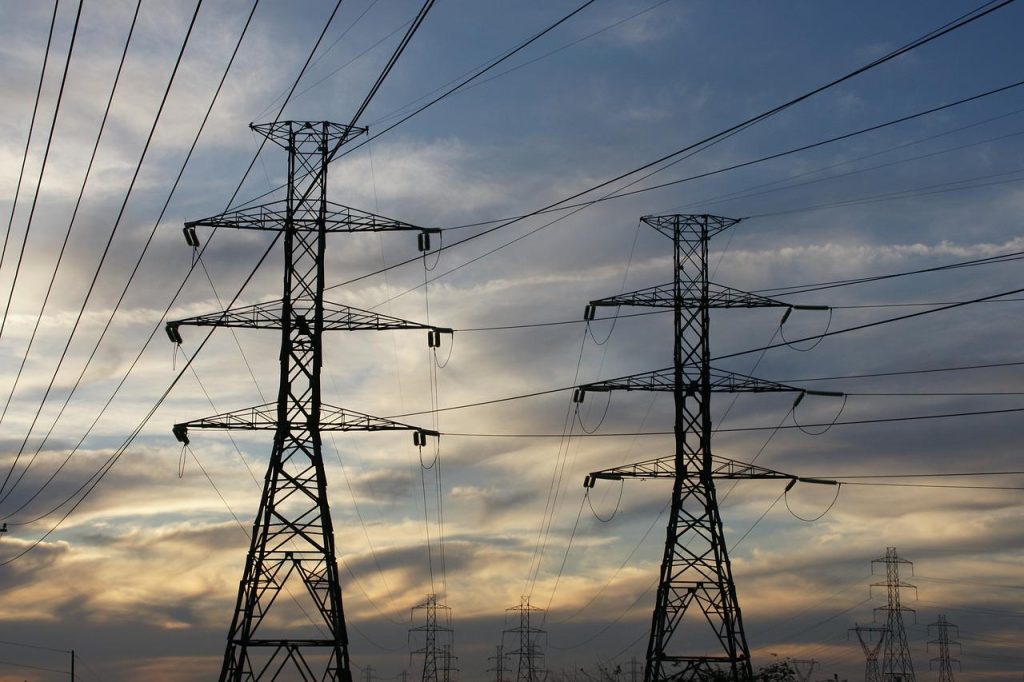
Cushioning the impact of global energy disruptions for Filipinos
ERC meanwhile will implement a modified administered pricing mechanism, which is under consultation with stakeholders as of press time and is set to be finalized by April 1.
This mechanism will adopt a pricing approach that strikes the balance between fuel expenses accumulated by power generation facilities and their continued operation amid global disruptions to the energy sector brought about by the Middle East conflict.
It may entail a fixed rate for coal plants, contracted prices for natural gas plants, and administered pricing for renewable energy sources such as hydro and geothermal plants.
Oil-based plants, meanwhile, will be compensated based on administered prices when dispatched or contracted.
The adjusted approach seeks to strike a balance between protecting consumers from excessive price spikes and ensuring that generators remain financially viable to sustain a reliable electricity supply.
These measures will be implemented to help Filipinos tide over these difficult times, and will be lifted should the DOE deem the conditions optimal for the resumption of market operations.
jpv

