
By Arabella Asis
The El Niño alert may be officially issued by May, according to the Philippine Atmospheric, Geophysical, and Astronomical Services Administration (PAGASA).
The El Niño is a weather phenomenon characterized by extreme climatic conditions, extreme temperature rise with a little rainfall, and at the opposite extreme, there is unusually heavy rainfall.
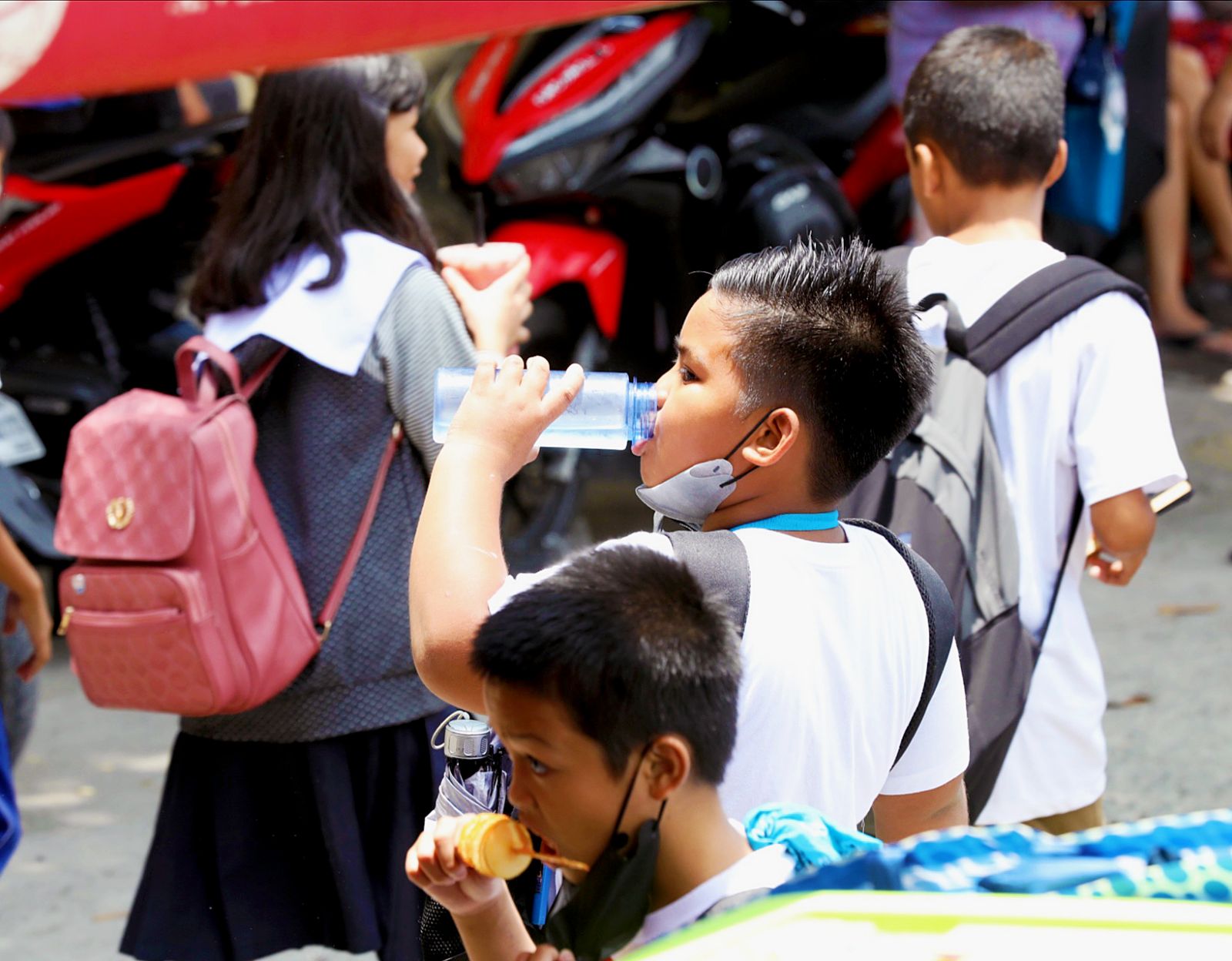
With the heat index hitting critical levels, the Department of Health (DOH) continues its efforts to remind the public of the threats of El Niño.
Here are some of the most common health concerns during the dry season:
Contamination of food and water
Diarrhea is a common effect of consuming contaminated food and water. Its symptoms involve passing of watery stools more than three times in a day.
Meanwhile, cholera happens when a food or water becomes contaminated by the bacterium Vibrio cholerae. Some of its symptoms involve vomiting and rapid dehydration. The DOH has already recorded 1,006 cases of cholera from Jan. 1 to March 18, 2023.
Typhoid fever is caused by a bacteria known as Salmonella typhi. It involves high and low-grade fever for several days, headache, weakness, and abdominal discomfort. From Jan. 1 to March 18, 2023, there are 3,285 recorded cases of typhoid.
Red tide
Paralytic shellfish poisoning occurs after eating a contaminated shellfish due to the red tide. It is commonly found on oysters and mussels which are both common in the wet market.
Intense heat temperature
Heat stroke is the most serious heat-related illness. During the stroke, the body’s temperature rises quickly and the body loses the ability to cool down.
Insect infestation
Dengue is the most common infection in the country due to the presence of mosquitoes in the surroundings. Mosquitoes are known to thrive on stock waters and containers at home.
The DOH actively reminds the public that all risk factors are preventable if matched with proper prevention.
This includes cleaning and conserving water supply, drinking plenty of water, staying at home from 10:00 a.m. to 4:00 p.m., avoiding strenuous activities, and wearing lightweight clothes. – cf

