
By Dean Aubrey Caratiquet
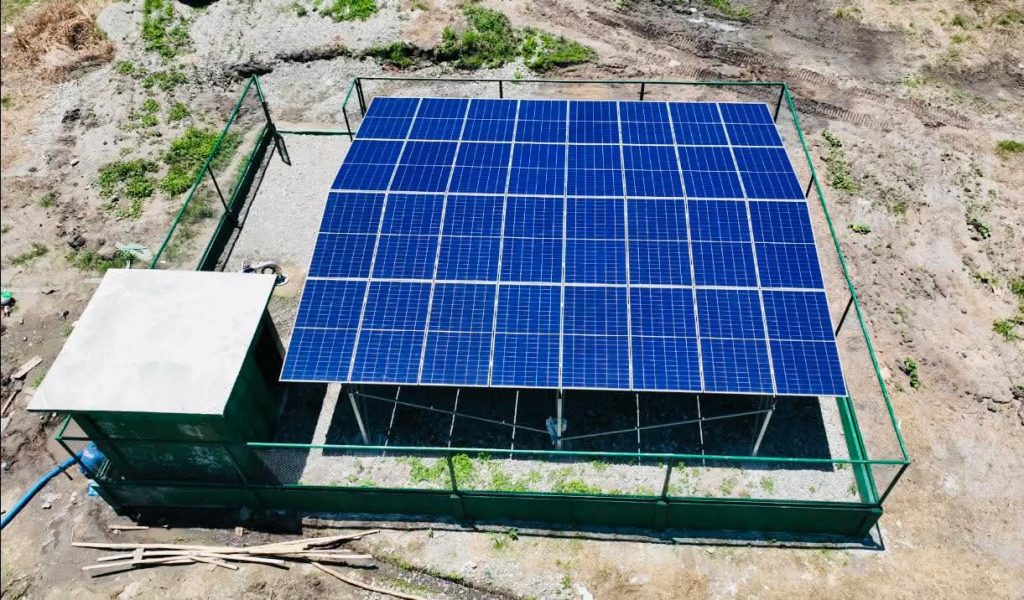
In response to rising oil prices brought about by the ongoing tension in the Middle East, the National Irrigation Administration (NIA) said that it is betting on Solar Pump Irrigation Projects (SPIPs) to spare the domestic agriculture sector from using expensive fuels in irrigating farmlands.
In an interview at the Bagong Pilipinas Ngayon program on Wednesday, NIA Administrator Eduardo Guillen said that the agency is doubling down on this novel initiative along with shouldering fuel expenses for heavy machinery used in desilting canals and the maintenance of irrigation systems.
Guillen said, “Dagdagan sana natin iyong mga solar pump irrigation projects natin dahil, alam ninyo, ito po iyong pang-medium-term natin na solution. Mabilis kasing itayo po iyong mga solar pumps natin.” He likewise shared that as of press time, approximately 3,000 SPIPs were already put up by NIA, providing water to 15,000 hectares of paddy fields without generating additional carbon emissions—with more projects expected to rise in the coming years.
The NIA administrator also shared various modern technologies utilized by the agency to aid in water conservation and ensure that farmland across the country is properly managed and irrigated, which includes the climate-smart weather system and the alternate wetting and drying (AWD) technology—with the latter enabling NIA to save 30% on irrigation.
Guillen expounded further, “So yung AWD po ang nagcocomplement sa ating cropping calendar, naincrease din po yung tinatawag nating cropping intensity. Nakakatipid po tayo diyan dahil kapag October umuulan pa niyan tapos February naman wala nang bagyo. Malaking tulong po ito sa farmers natin, malaking dagdag po ito sa kanilang kita.”
Meanwhile, he also cited the construction of high dams as a noteworthy complement to the agency’s SPIPs, which would not only aid in irrigation of paddy fields but would also serve as a power generation facility that can contribute to the electricity grid.
Guillen concluded his remarks by advocating for the usage of organic fertilizers as an alternative to their inorganic counterpart, specifically pointing out the Bio-N product developed by researchers from the University of the Philippines Los Baños (UPLB) as a viable alternative to other products on the market.
jpv

