
By Dean Aubrey Caratiquet
As part of the gradual transition towards renewable energy, the government continues to support projects that would eventually steer the power grid away from fossil fuels.
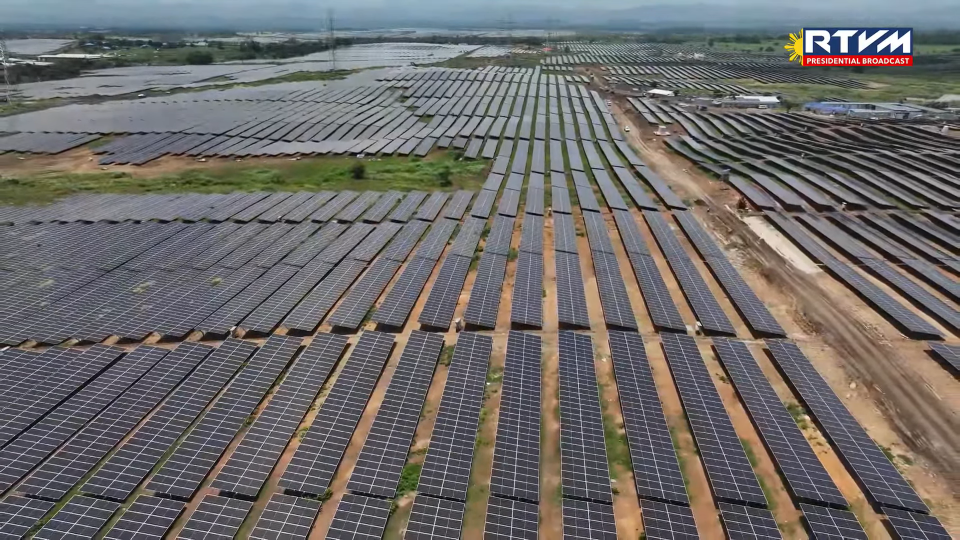
This, as President Ferdinand R. Marcos Jr. led the inauguration of MTerra Solar Phase 1 in Gapan City, Nueva Ecija on Tuesday.
As of press time, Phase 1 has already reached 91% completion and is expected to be commercially operational by August of this year, with construction of Phase 2 commencing earlier this year and slated for completion in 2027.
Upon completion of both phases next year, the MTerra Solar Power Project can deliver up to 3,500 megawatts of peak solar power to the grid, backed by 4,500 megawatt-hours of battery storage capacity, as well as benefit five municipalities across Nueva Ecija and Bulacan.
President Marcos Jr. expounded, “Equally important, its impact will be felt in the daily lives of our people. Once fully operational, we expect this project to energize more than 2.4 million Filipino households, while reducing carbon emissions by around 4.3 million metric tons a year.
Its contribution extends well beyond power generation alone. Over the next decade, the project is expected to generate nearly P23 billion in financial benefits, while providing increased tax revenues and financial assistance to its host communities.”
Eco-friendly energy for the future
Doubling down on alternative energy sources, the MTerra Solar Power Project sets a precedent for the future of power generation in the Philippines, as the nation aims to shift the power generation mix from one dominated by coal to one favoring eco-friendly resources.
This is reflected in more than 600 renewable energy contracts that the Department of Energy (DOE) has awarded to project contractors, with the agency also launching a Green Energy Auction Program that aims to deliver 25 gigawatts of renewable capacity from 2027-2028, with the goal of up to 40% renewable mix by 2040.
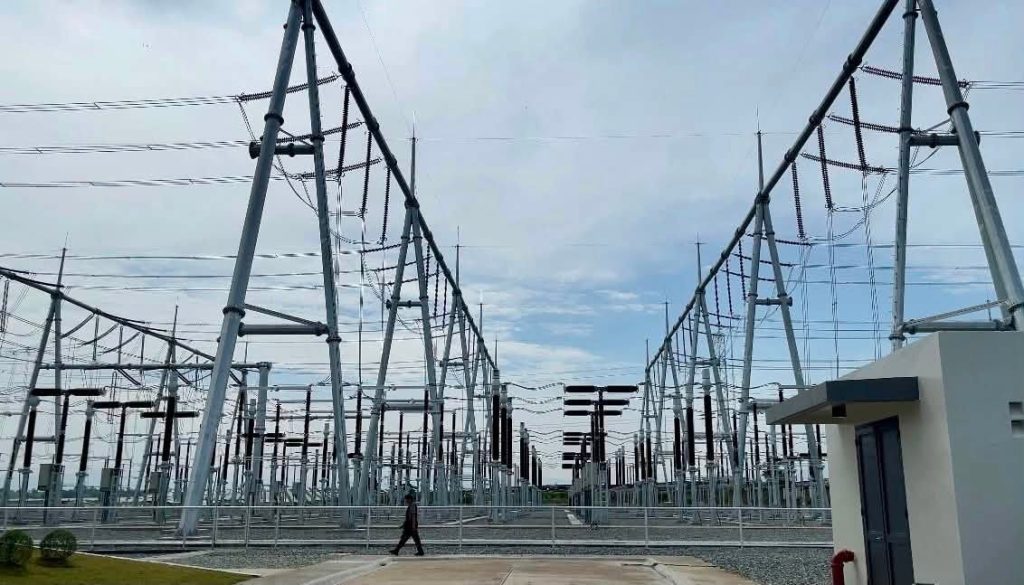
Energy storage systems were likewise put into consideration in the nationwide rollout of solar and other renewable energy projects, with the country now enjoying up to 845 megawatts of energy reserves as of May 2026—a significant leap from the 93 megawatts recorded in July 2022.
Rounding off the DOE’s initiatives was the smart and green grid plan, with interventions being made to help the grid accommodate additional renewable energy capacity and respond to the evolving requirements of the power sector.
The Chief Executive wrapped up his speech, “All of these enhances the reliability of our power supply, improve the integration of renewable energy into the grid, and help ensure that Filipino consumers benefit from a more stable and efficient energy system.”
jpv

