
By Darryl John Esguerra | Philippine News Agency
President Ferdinand R. Marcos Jr. has directed energy officials to immediately address power supply and grid issues in the Visayas and ensure the normalization of electricity conditions in the region at the soonest possible time.
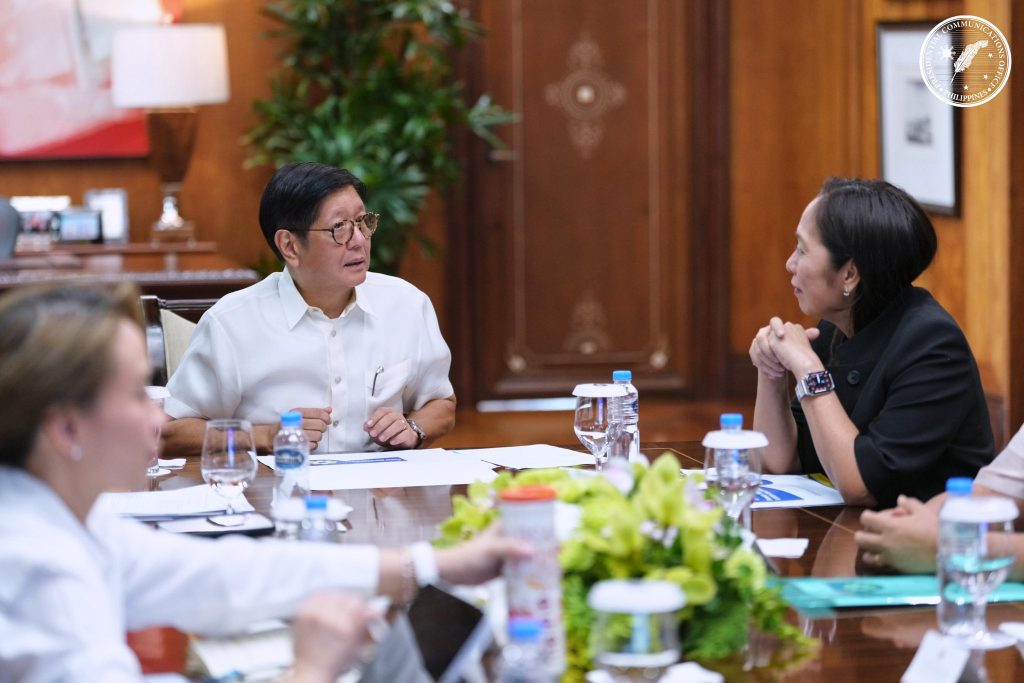
Palace Press Officer Claire Castro said Thursday that Marcos issued the directive during a meeting with executives of the Department of Energy (DOE), where they discussed power supply conditions in Luzon and the Visayas.
“The directive is to fix or normalize the situation at the soonest possible time,” Castro said.
She said the President ordered concerned agencies to accelerate measures that would strengthen the country’s power infrastructure and energy security.
Discussions during the meeting also tackled the construction of new power plants to increase electricity generation, the expansion of the transmission network, and the implementation of interventions to address delays in the construction of submarine cables and transmission lines, according to Castro.
The President also ordered government agencies to closely monitor developments and respond quickly to any issues that may affect electricity supply, she added.
Since mid-May, the Visayas grid has experienced 17 yellow alerts and four red alerts as more than 20 power plants remain on forced outage, including major coal-fired generating units, such as Units 1 and 2 of Therma Visayas Inc., and Unit 3 of Panay Energy Development Corp.
Castro said Marcos likewise instructed the Energy Regulatory Commission to conduct a performance review of the National Grid Corporation of the Philippines and ensure the completion of its commitments and deliverables.
The meeting also covered the power situation in Catanduanes, including updates on power-related projects in the province.
Apart from addressing transmission concerns, the DOE also reported ongoing efforts to improve the country’s transmission system and accelerate the development of renewable energy projects.
Castro said the DOE informed the President that, as of May 29, the Philippines has about 46 days’ worth of fuel reserves, amid concerns over global energy market uncertainties.

