
By Dean Aubrey Caratiquet
Amid the backdrop of chronic power outages, an indebted state utility, and a lack of meaningful competition in the domestic energy market, legislation seeking to ensure energy security moved through the upper and lower chambers of Congress before being passed in 2001.
Republic Act No. 9136, also known as the Electric Power Industry Reform Act, sought to bring about meaningful change that would keep the lights on for households and industries nationwide in the long run.
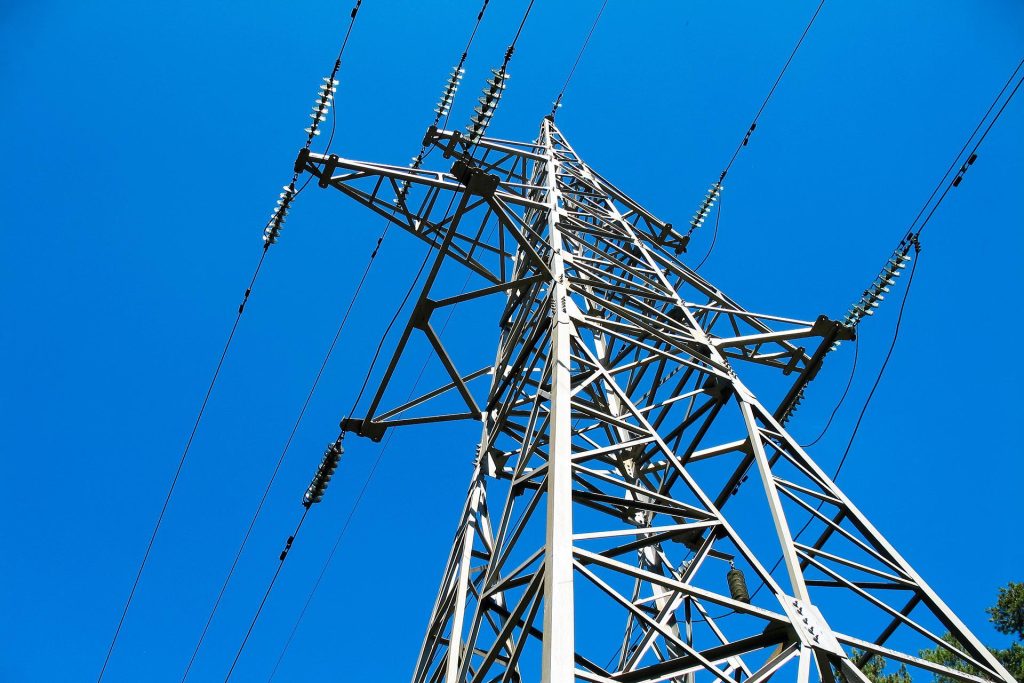
EPIRA organized the power industry into sectors such as generation, transmission, distribution, and supply as well as called for the creation of the National Transmission Company (TRANSCO), which is in charge of the planning, construction, operation, and maintenance of high-voltage transmission and subtransmission facilities.
This legislation likewise ordered the Department of Energy (DOE) to establish a wholesale electricity spot market (WESM), which would serve as a mechanism for balancing price variations and the quantities transacted under contracts between sellers and purchasers of electricity.
Section 30 added, “The wholesale electricity spot market shall be implemented by a market operator in accordance with the wholesale electricity spot market rules. The market operator shall be an autonomous group, to be constituted by DOE, with equitable representation from electric power industry participants, initially under the administrative supervision of TRANSCO.
Among the eligible members of the WESM are the following:
- generating companies
- distribution utilities
- suppliers
- bulk consumers/end-users
- other similar entities authorized by the ERC
R.A. 9136, likewise, called for the creation of a Universal Charge, which would be determined by the Energy Regulatory Commission (ERC) and be imposed on end-users to pay for stranded debts, support missionary electrification, support equalization of taxes and royalties imposed on indigenous or renewable energy sources, and sustain an environmental fund for watershed rehabilitation and management.

DOE’s additional functions in regulating the power industry
EPIRA, moreover, called for amendments to Republic Act No. 7638 (The Department of Energy Act of 1992) to grant the agency additional functions to carry out its newly vested mandate of overseeing the energy sector.
As such, the DOE is tasked with formulating comprehensive programs that balance energy use with environmental protection, as well as issue annual updates to the Philippine Energy Plan, which include a Power Development Program (PDP).
Apart from fulfilling its existing functions, the DOE shall also:
- Encourage private sector investments in the electricity sector and promote development of indigenous and renewable energy sources;
- Facilitate and encourage reforms in the structure and operations of distribution utilities for greater efficiency and lower costs;
- In consultation with other government agencies, promote a system of incentives to encourage industry participants, including new generating companies and end-users, to provide adequate and reliable electric supply
- Establish and administer programs for the exploration, transportation, marketing, distribution, utilization, conservation, stockpiling, and storage of energy resources of all forms, whether conventional or non-conventional
- Develop policies and procedures and, as appropriate, promote a system of energy development incentives to enable and encourage electric power industry participants to provide adequate capacity to meet demand, including, among others, reserve requirements
Reeling in energy sector players
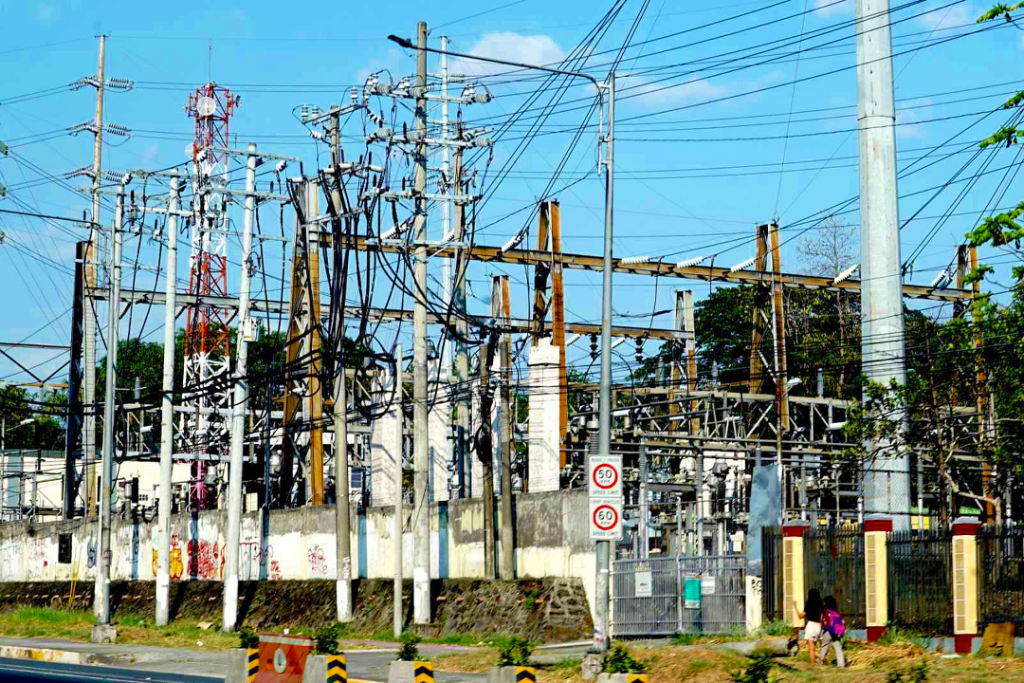
Among the sweeping changes brought about by EPIRA is the abolition of the Energy Regulatory Board in lieu of an independent, quasi-judicial regulatory body named as the Energy Regulatory Commission (ERC).
Composed of a chairperson and 4 other members appointed by the President, the Commission is tasked with setting performance and financial capability standards for various WESM entities.
The ERC also serves as a moderator that levels the playing field for all spot market participants and as a watchdog that blows the whistle upon monitoring instances of abuse or breach of this Act committed by any player in the energy sector.
Chapter IV, Section 73 added, “A socialized pricing mechanism called a lifeline rate for the marginalized end-users shall be set by the ERC, which shall be exempted from the cross-subsidy phase-out under this Act for a period often (10) years, unless extended by law. The level of consumption and the rate shall be determined by the ERC after due notice and hearing.”
Privatization of Napocor’s assets
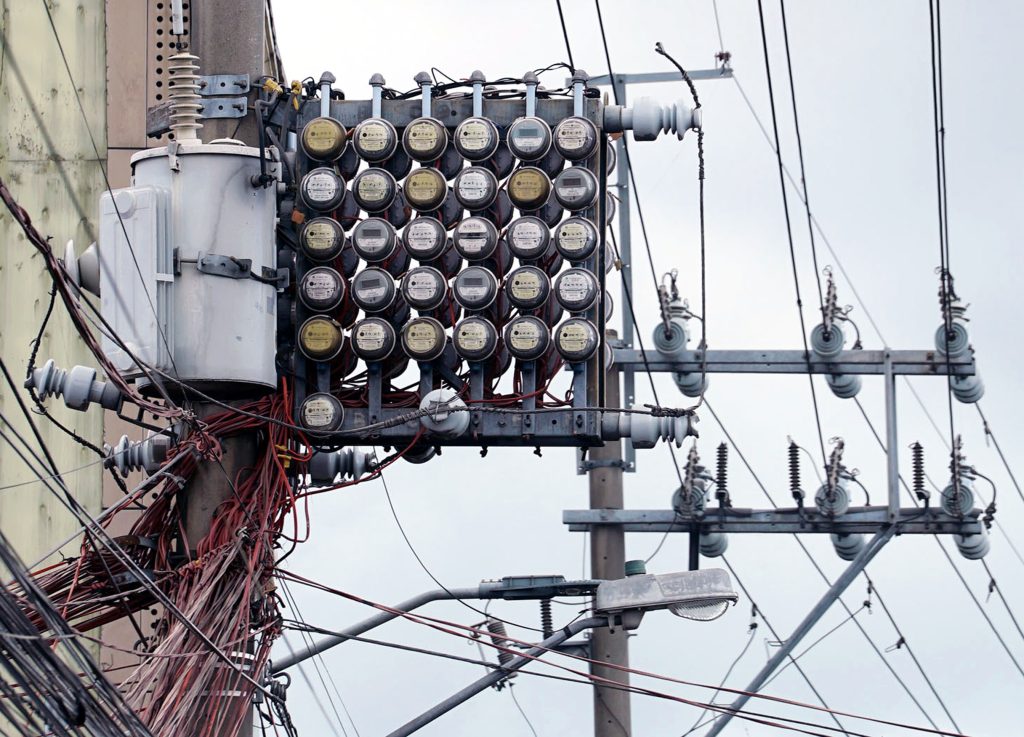
Another notable reform championed by EPIRA is the total privatization of the National Power Corporation’s (Napocor) generation assets, real estate, and contracts with Independent Power Producers (IPP) to help pay for the debt accrued by the national government.
Through a public bidding process, Filipino citizens and corporations were encouraged to participate in the purchase of NPC assets, but with safeguards put in place to ensure financial viability of restructured units and prevent formation of regional companies or consolidation of market power.
However, in the case of foreign investors, at least seventy-five percent (75%) of the funds used to acquire NPC-generation assets and IPP contracts shall be inwardly remitted and registered with the Bangko Sentral ng Pilipinas.
Chapter V, Section 47 added, “In cases of transfer of possession, control, operation or privatization of multi-purpose hydro facilities, safeguards shall be prescribed to ensure that the national government may direct water usage in cases of shortage to protect potable water, irrigation, and all other requirements imbued with public interest.”
Managing power generation assets
The Power Sector Assets and Liabilities Management Corporation, or PSALM Corp., was a government-owned-and-controlled corporation conceived by virtue of R.A. 9136 to take ownership of various Napocor assets and aid in the privatization of such assets.
PSALM Corp. is, moreover, tasked with the liquidation of all NPC financial obligations and stranded contract costs, as well as sustaining the operations of power facilities previously owned by Napocor.
Meanwhile, EPIRA also championed rural electrification, with electric cooperatives provided the option to convert into either a stock cooperative or stock corporation to better compete in the deregulated electricity market.
As such, under Section 58, the National Electrification Administration (NEA) received an additional mandate, which is to strengthen the technical capabilities and financial viability of rural electric cooperatives to operate as utility service providers.
However, in far-flung areas beyond the reach of these small-scale energy players, the playing field would be opened for qualified third parties.
av

