
The World Health Organization declared monkeypox (mpox) “a public health emergency of international concern” (PHEIC) at a meeting on Wednesday.
The meeting came a day after the Africa Centres for Disease Control and Prevention (Africa CDC) deemed the disease a public health emergency for the continent, with cases up by 160% from last year and deaths up by 19%—Africa CDC’s first-ever declaration of such an emergency.
The WHO’s declaration makes it easier to speed up the process of acquiring and implementing funding, global public health measures, and joint efforts for containing the disease. It also helps in accelerating research.
The two main strands of mpox are known as Clade I and Clade II. A milder strand, Clade IIb, caused a 2022 global outbreak, which WHO declared a public health emergency.
WHO Director-General Dr. Tedros Adhanom Ghebreyesus addressed the new outbreak in his opening remarks on Wednesday.
“But we are not dealing with one outbreak of one clade—we are dealing with several outbreaks of different clades in different countries with different modes of transmission and different levels of risk,” he said, adding that a “tailored and comprehensive response” is needed to address it.
Scientists reportedly found a strand of mpox, the infectious disease caused by the monkeypox virus, earlier this year that can kill up to 10% of people who contract it. The new strand of mpox has milder symptoms than the 2022 outbreak.
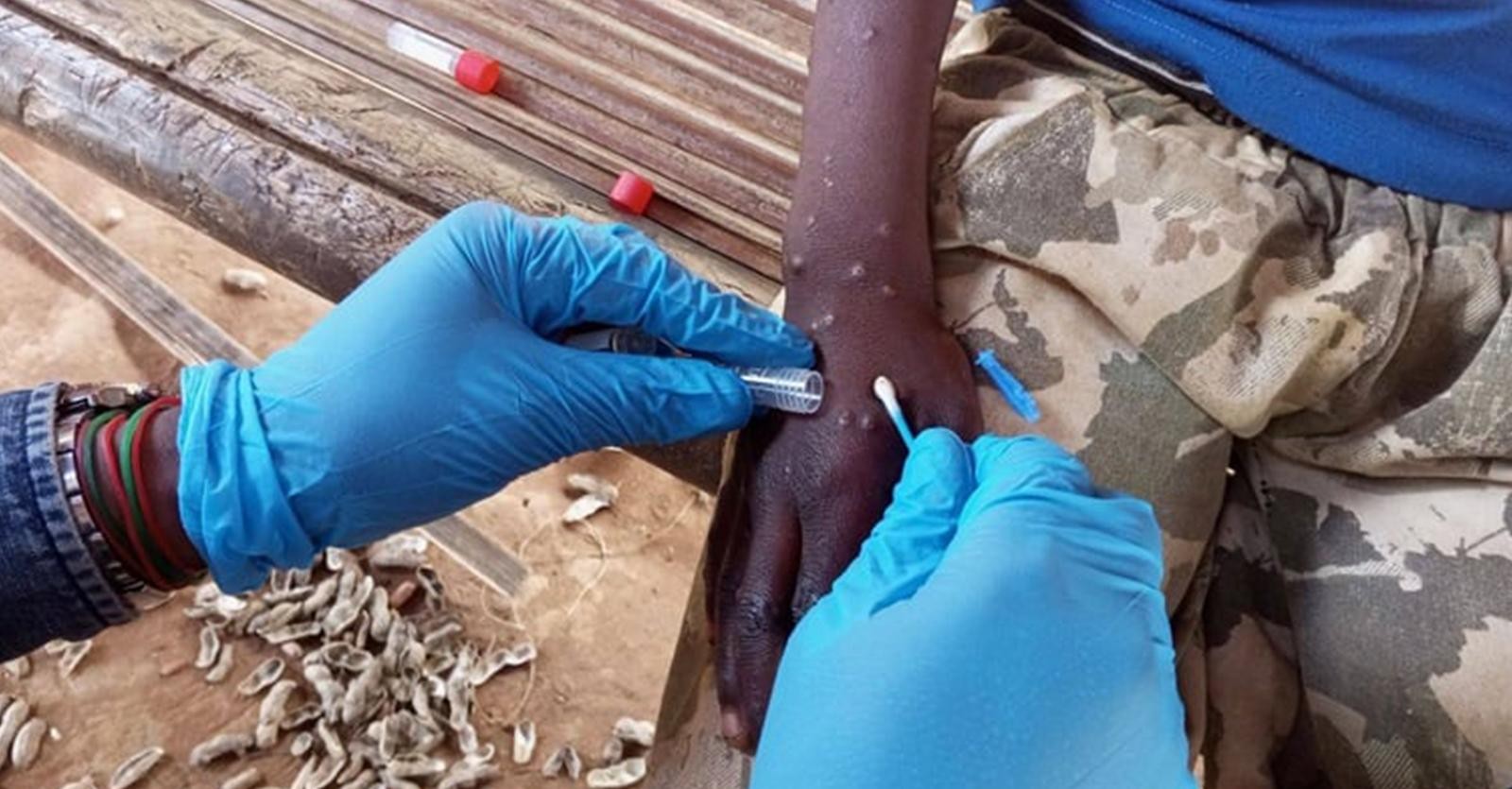
Mpox symptoms include lesions on the chest, genitals, hands, and feet, along with fever and muscle aches.
WHO officials released $1.45 million from their contingency fund used for emergencies to aid in stopping the spread of mpox and announced that there are plans to release more money in upcoming days.
In the conflict-stricken Democratic Republic of Congo (DRC), children make up over 70% of the mpox cases and 85% of the overall deaths from the disease.
Save the Children’s DRC country director Greg Ramm noted that the organization was concerned that the disease would spread easily in refugee camps, saying “354,000 children are crammed into tents in unsanitary conditions.”
“As we’ve seen time and again, it’s the already disadvantaged children who are most at risk,” he said.
There are two mpox vaccines recommended by WHO experts, but financial barriers and supply limitations remain an issue.

