
By Ma. Teresa Montemayor | Philippine News Agency
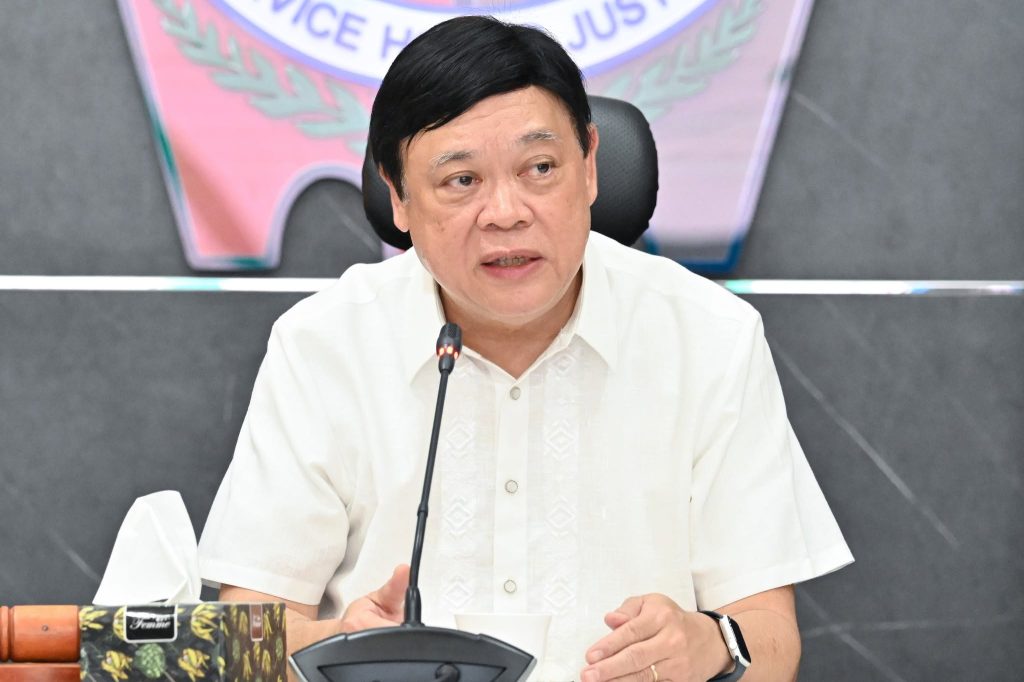
The Department of Health (DOH) is strengthening hospital preparedness and monitoring of vulnerable groups to reduce health risks from extreme heat amid discussions on “Super El Niño,” Health Secretary Edwin Mercado said on Monday.
During a Palace press briefing, Secretary Mercado said the Department is focusing on preventing heat-related illnesses and ensuring hospitals can continue operating during possible power interruptions.
He said older adults, pregnant women, and children require particular attention because they are among those most affected by severe heat.
“So, iyon po iyong kailangang bantayan natin, kaya nga nasabi ko dapat pong bisitahin, alagaan at kumustahin, hindi lamang po ng mga kamag-anak, pati po iyong mga Barangay Health Worker ay aatasan natin na bantayan po itong ating mga vulnerable population,” he added.
He urged families to visit elderly relatives daily to ensure they drink water, take their medicines, and get relief from the heat.
Measures may include opening windows or using misting devices, he said, noting that air-conditioning is not always necessary and consumes substantial electricity.
Responding to a potential estimate of 6,500 casualties mentioned during the discussion, Mercado said such deaths could be prevented.
He noted that much of the data cited came from countries where older people live alone, while the Philippines’ extended family system could help support daily monitoring and care.
On hospital readiness, Mercado said power outages could endanger patients using respirators and compromise medicines requiring refrigeration.
“At mayroon po kaming agreement with the Office of Civil Defense na ang healthcare po ay priority mabigyan ng fuel kung sakali pong umabot sa gaanong mga pagkakataon,” he said.
Preventive measures
The DOH is also issuing advisories against prolonged sun exposure and recommending health breaks for people working outdoors.
Secretary Mercado also reminded that drinking six to eight glasses of water is a must to keep the body properly hydrated.
Apart from heat stroke and dehydration, the department is monitoring dengue and waterborne diseases such as typhoid and cholera.
Secretary Mercado said surveillance teams are in place and sufficient medicines are available.
He also encouraged blood donation to help maintain supplies of blood component products that may be needed during a dengue surge.
“Kami po ay gagawa rin ng sistema para po mayroon tayong supply ng dugo na maaari pong kailanganin doon po sa pagkakataon magkaroon po ng surge ng dengue,” he said.
He noted that dengue cases commonly increase after rains and may decline when mosquito breeding sites dry up.
For pregnant women, he cited PhilHealth’s expanded maternal care package, which covers eight prenatal visits.
Regular consultations with obstetricians or midwives at birthing centers allow healthcare providers to monitor fetal growth and provide interventions, including additional nutrition, protein, and high-value food, when needed.
Secretary Mercado said the package also includes ultrasound and tests for viruses and other diseases. When asked about storing bottled water, he suggested using glass containers where adequate water supplies are available.
He cited studies suggesting possible links between microplastics and diabetes and other illnesses.
He added that President Ferdinand R. Marcos Jr. has directed the Department to conduct an information campaign that goes beyond posters and includes household visits by barangay health workers.

