
By Rey-Luis Banagudos/PNA
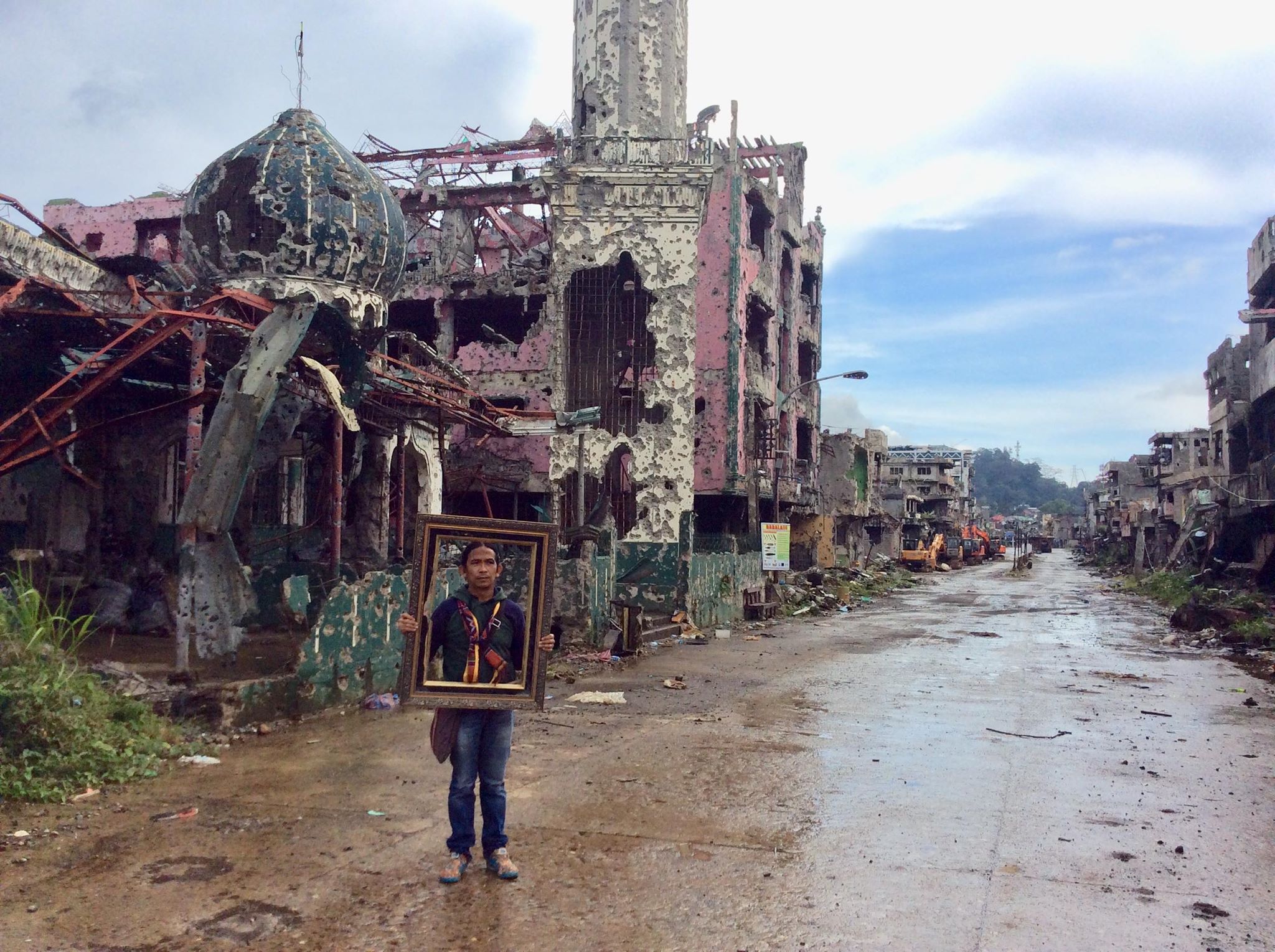
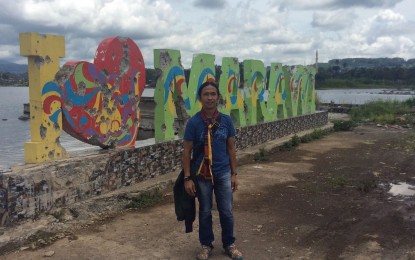 ZAMBOANGA CITY — In February 1974, the proud town of Jolo was totally burned down and bombed to oblivion.
On the eighth day of that month, hordes of Moro rebels attacked and occupied it, igniting intensive seven days of fighting before government forces retook it. Some 20,000 rebels, civilians and soldiers were killed.
Ramir Tawasil was six years old when he and his siblings fled from the battle on its first day, riding piggyback on his elder sister as they ran from their house towards the nearby town pier.
On a pumpboat, they chased a passing Japanese cargo boat, whose crew rescued them.
“From the boat, I saw Jolo burning, the bombardment”, Tawasil narrated in an interview. “I felt sad”.
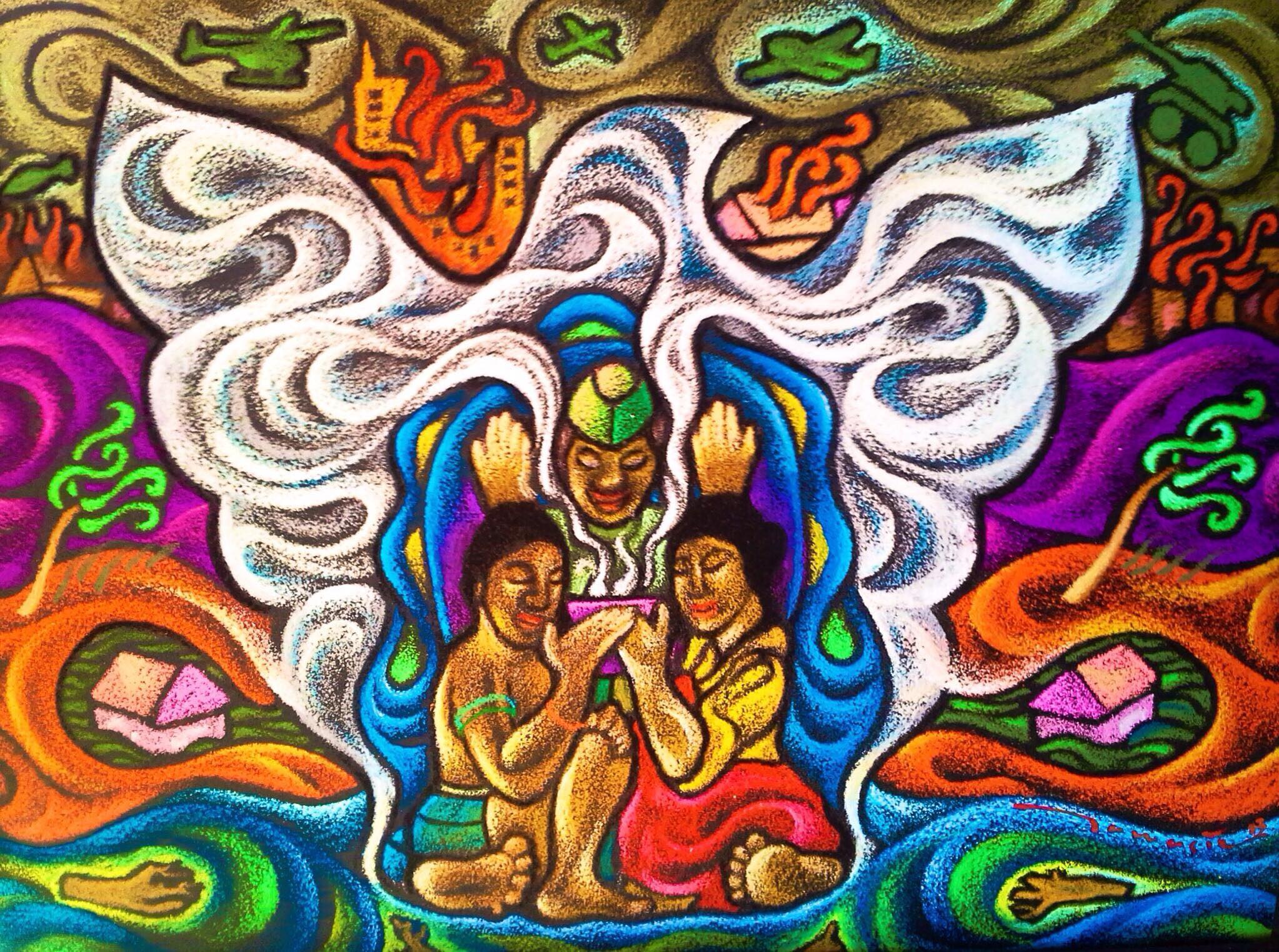
The crucible of that war forged his personal mission to be a peace advocate, he surmises — rendered through his extraordinary paintings and sculptures that mainly express his Tausug culture and social tradition.
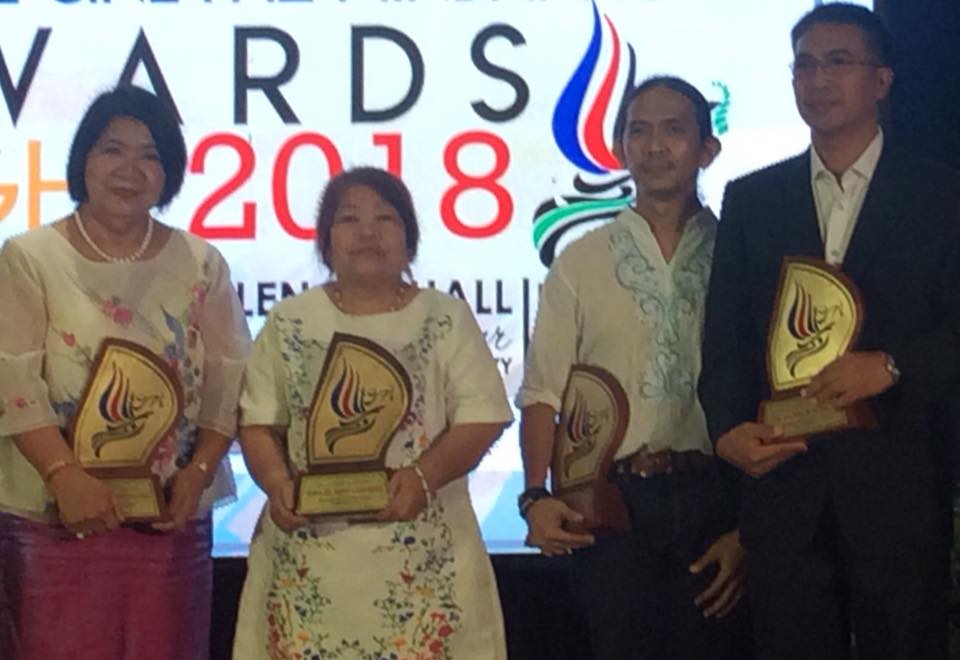
His artful advocacy achieved anew another milestone for him when he was bestowed the Peaceweaver Award by Peace Advocates Zamboanga (PAZ) last December 2, during a gala program.
The award is given annually by PAZ and Interreligious Solidarity for Peace (ISP) during the Mindanao Week of Peace celebration.
“When I was in primary school, I was already obsessed with drawing scenes of people, not banal trees, houses and mountains. My art teacher years later told me I once sketched a hostage taking incident by Moro rebels in Zamboanga City”, Tawasil said.
He was honored as “Artist of the Year” in the public elementary school in the city where he studied after displacement from Jolo.
He said his mother, a school teacher, took him back to Jolo to study there, where again he was named “Artist of the Year”.
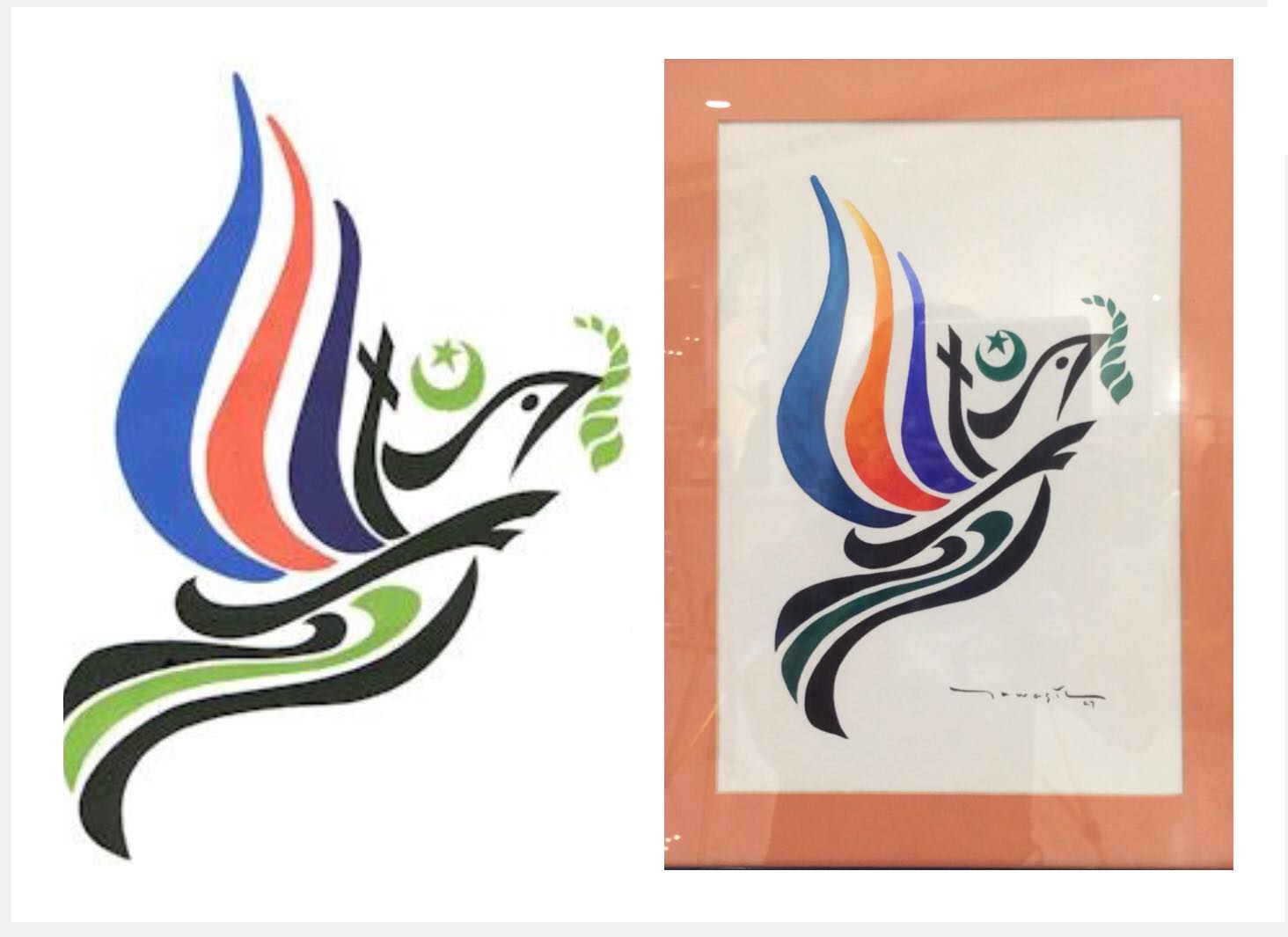
Years later, he designed the PAZ logo, which features a colorful bird that has since been adopted internationally as a Muslim-Christian solidarity icon.
In his Jolo high school days, his Tausug heart and eyes began to conceptualize his unique painting style.
His eyes studied the Tausug “ukkil” patterns found in artifacts.
As he strolled the beaches, he said, the sensuous wavelets entranced him.
The flowing motions of the “pangalay” folk dance bewitched him.
Together they were used as his constant motif of his artworks.
If some European masters have their cubism, he nurtured his “Tawasilism” as his own school of art.
By the time he was in college back in Zamboanga City, first in a trade school and then the Western State University taking up architecture, he said he was “voraciously reading about the great art masters – Picasso, Rembrandt.”
“But none of them influenced me, you cannot see their styles in my artworks,” he continued.
“I studied them only to learn the basics and principles of aesthetics”, he said. “When you master that knowledge, then you command the power of beauty in your brush strokes.”
True beauty, he said, is wherever it is found – in the environment, people, or art.
An artist, he explained, can paint a fighting scene, like the famous “Battle of Guernica,” without arousing anger and aggression in people who view it but instead experience the sense of humanity that is in all of us.
“It is what I try to do in all my artworks”, Tawasil said.
His first oil masterpiece was “The Burning of Jolo”. It shows a woman looking up in pain and anguish, carrying her little son who clutched and clawed her in fright, her dead husband by her side, bullet shells filling the ground, two bombs falling and Jolo’s workaday things burning – but almost no blood flowing.
“It is solemn,” Tawasil explained.
That sense of – and appeal for – struggling humanity and dignity is present in all his paintings. It transcends in his minor works of Tausug fish vendors proffering with closed eyes his fishes to another of his masterpiece, the historic American colonial era “Battle of Bud Dahu”.
Tawasil is a prolific painter. He has participated in 50 art exhibits in the Philippines and some other countries, receiving several national and international awards and commendations.
Contrasting to the present-day bloody conflicts overwhelming his native Sulu, Tawasil sprung from a family background of peace-making and artful craft.
His father was a technical adviser of former President Ferdinand Marcos, responsible for negotiating for the “return to the fold of the law” of many hardcore Moro National Liberation Front (MNLF) commanders.
His father was also deputy vice-governor of Sulu during the Marcos regime.
Tawasil said his father owned a prosperous fishing business operating from out of the province.
“My father was a peace builder, I inherited that consciousness from him”, he said.
“My talent and inclination for art I inherited from my mother’s father,” he said. “My grandfather loved to carve decorative figures in parts of his house, in things like the scabbard of bolos.”
Tawasil’s mother was the thirteenth wife of his father.
“My father treated all his wives equally”, he said.
Indeed, the fruit does not fall far from the tree.
In his response upon receiving the Peaceweaver Award, he said: “Peace should not be chased by the gain of an award, but since the Interreligious Solidarity for Peace has put its trust on meto advocate peace through my art, I am humbled by this trust. Then I, and my art, shall move on to build peace to be enjoyed by all for tomorrow’s generations, as well as generations to come after shall not perish due to our neglect in building a better tomorrow for them”.
He still has dream paintings hoping to do – including one about the Jabidah massacre, the ancient trip of Sulu sultan Batara to China to visit the emperor there where he died and left a mark that survives to this day, and the recent years’ ill-fated raid of Sabah by the Rajah Muda of the Sulu sultanate.
As with some of his canvasses, they will be visual documentaries that once upon a time the Tausug society was prosperous and peaceful, a paradise to regain, Tawasil said.

