
By Lisa Schlein/VOA News
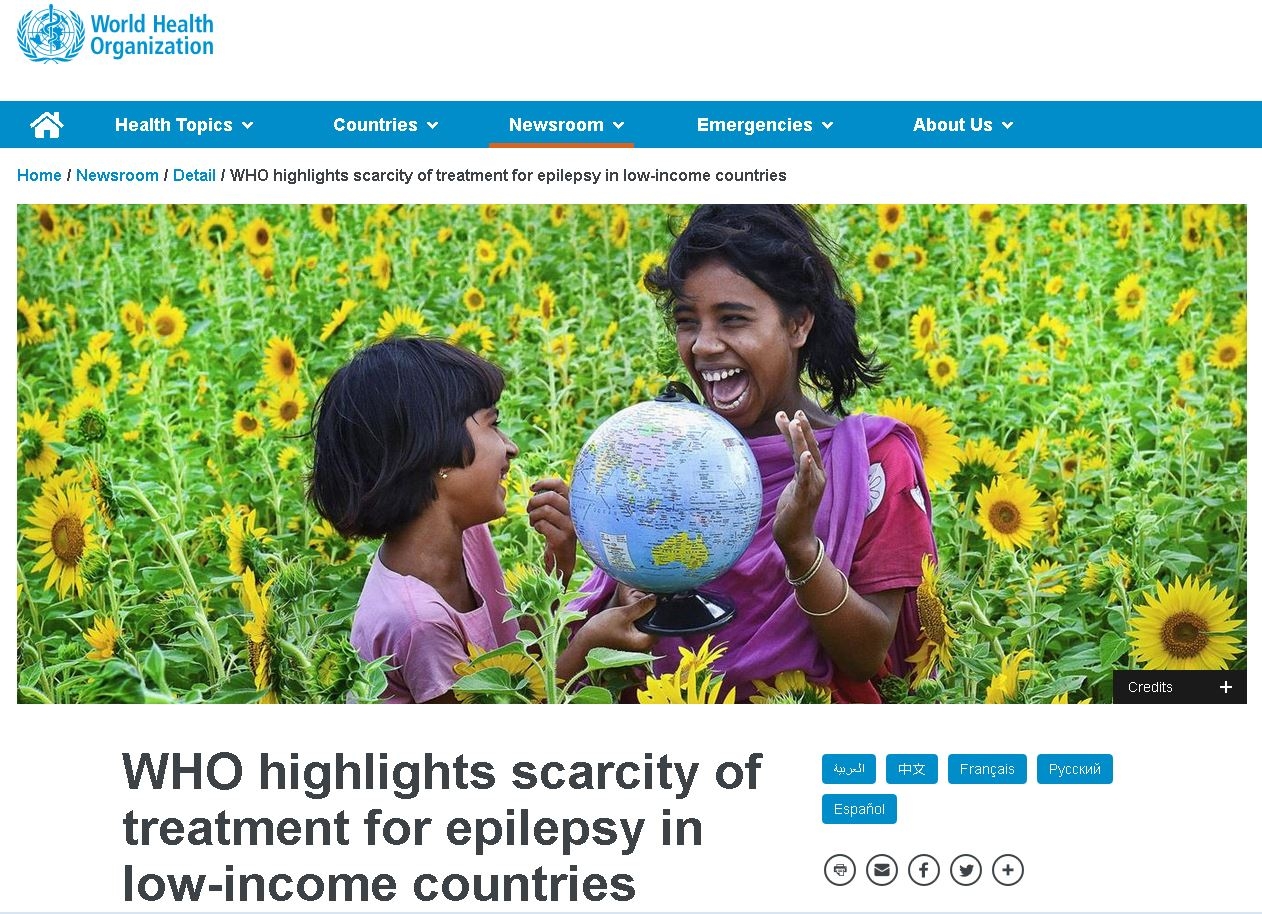
GENEVA – The World Health Organization says millions of people with epilepsy are reluctant to seek treatment because of the stigma attached to their ailment, leading to the premature death of many. WHO has released the first global report on epilepsy.
Nearly 50 million people around the world suffer from epilepsy. The World Health Organization reports this neurological disease affects people of all ages in all walks of life. It says this brain disease can cause seizures and sometimes loss of awareness.
Program Manager in WHO’s Department of Mental Health and Substance Abuse, Tarun Dua says people with epilepsy suffer widespread stigma and discrimination as a consequence of their unusual behavior.
“So, in many settings, people with epilepsy they are embarrassed…children are not allowed to go to school, adults are not allowed to work, sometimes not even marry or the right to drive is also not there,” said Dua. “So, these stigma and human rights violations and sometimes also the death that is associated with epilepsy—so premature mortality in epilepsy is three times that of the general population.”
Causes of epilepsy include injury around the time of birth, brain infections from illnesses such meningitis or encephalitis and stroke. WHO estimates 25 percent of cases are preventable.
Dua says early death among people with epilepsy in low and middle-income countries is significantly higher than in wealthy countries. She says the stigma associated with epilepsy is a main factor preventing people from seeking treatment.
She says low cost, effective medication to treat the disease is largely unavailable in poor countries as are the number of specialists competent to deal with this brain disorder.
“For example, if you look in low and middle-income countries, there is only one neurologist per one million population,” Dua said. “Now, that is definitely insufficient to provide care for all people with epilepsy. What it means is that we need the non-specialists, the primary care doctors to take care for people with epilepsy.”
Dua says WHO has the tools and evidence-based guidelines that show epilepsy can be successfully treated in primary health care. She says pilot programs introduced in Ghana, Mozambique, Myanmar, and Vietnam are making huge inroads in closing the epilepsy treatment gap.

